Workplace Safety: Meeting Your Insurance Requirements in Canada
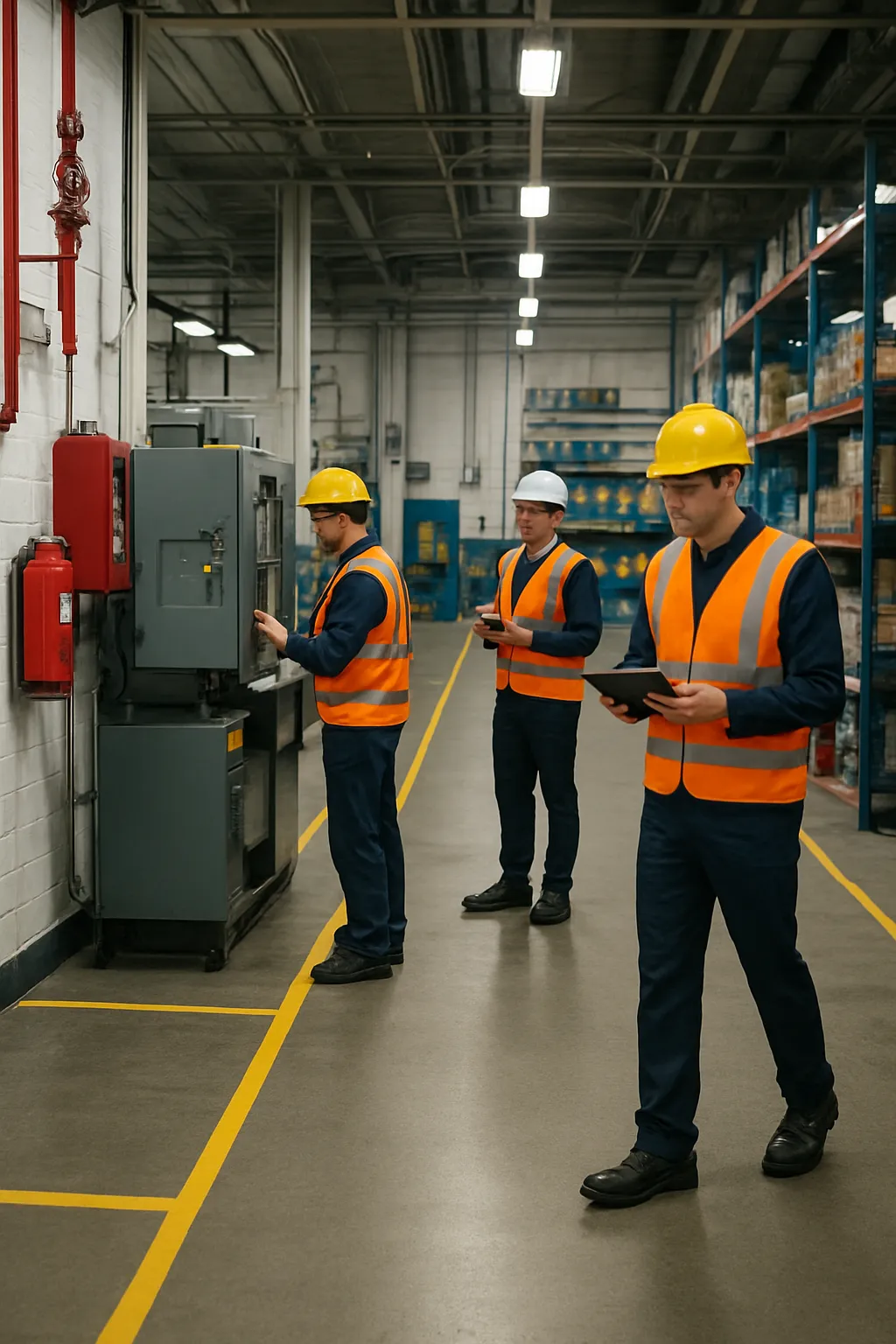
Workplace safety is more than a legal obligation; it is a critical factor in maintaining valid insurance coverage. Across Canada, insurers expect businesses to actively manage workplace risks by following provincial safety regulations, providing employee training, and maintaining safe operating procedures. Failing to meet these expectations can result in denied insurance claims, higher premiums, regulatory penalties, and costly legal disputes.
Whether your business operates a warehouse, construction site, manufacturing facility, or distribution centre, investing in safety is one of the best ways to protect your employees and your organization.
Why Safety Matters to Insurance Providers
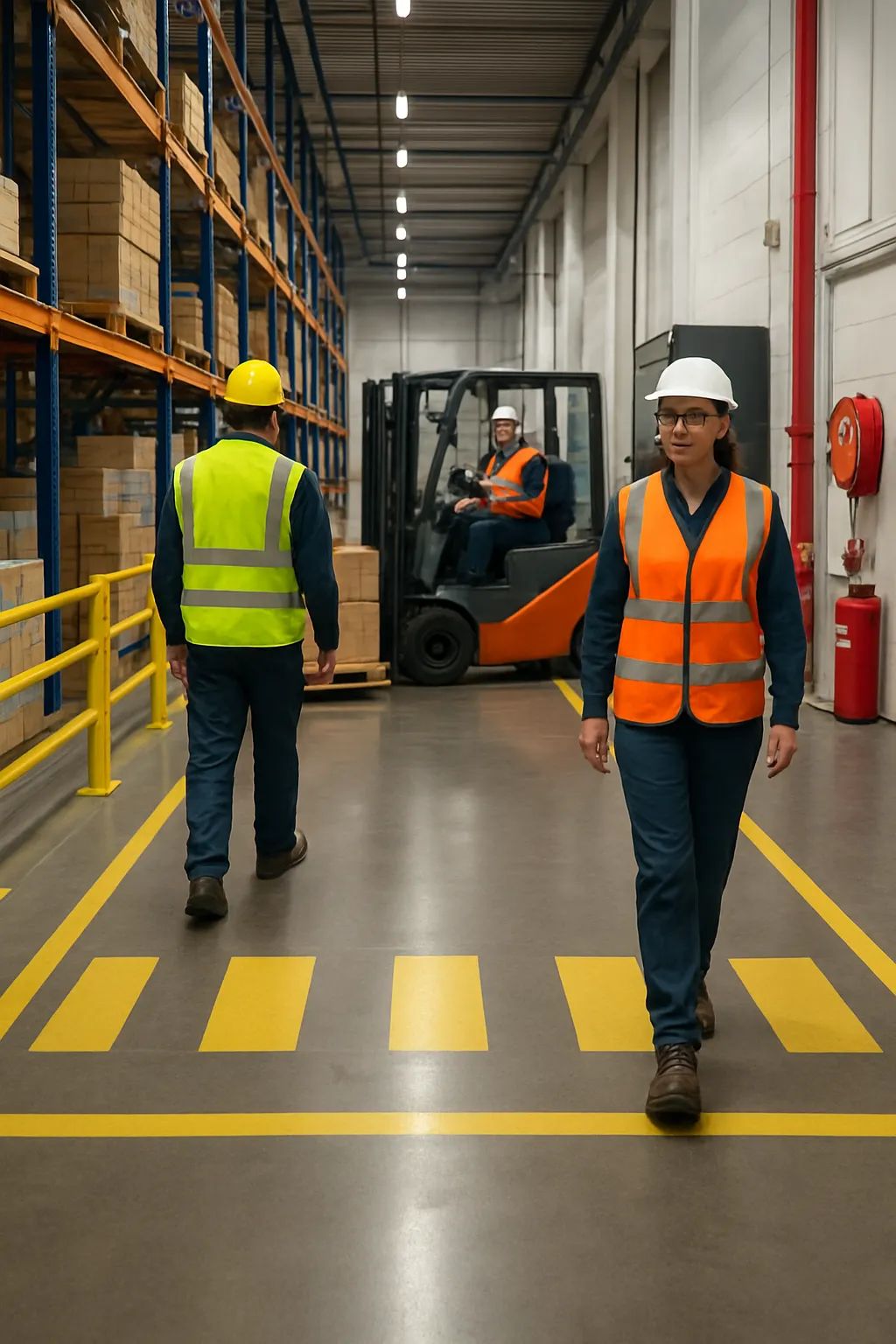
Commercial insurance is designed to protect businesses from unexpected losses, but coverage often depends on policyholders meeting their legal responsibilities. Most liability policies include conditions requiring businesses to take reasonable steps to prevent accidents and maintain a safe workplace.
Insurance companies evaluate factors such as:
- Employee training records
- Equipment maintenance programs
- Written safety procedures
- Incident history
- Compliance with provincial regulations
Businesses with strong safety programs generally present a lower level of risk, making them more attractive to insurers. In contrast, repeated safety violations or poor training practices may lead to higher premiums or limited coverage.


Operator Training Is a Key Requirement
One of the most important workplace safety measures is ensuring employees receive proper equipment training before performing their duties.
Forklifts, aerial lifts, and other industrial machines require skilled operators who understand safe operating procedures, hazard awareness, and equipment inspections. Providing professional forklift operator training helps businesses reduce workplace accidents while demonstrating compliance with industry standards.
Proper operator training typically includes:
- Safe equipment operation
- Daily inspection procedures
- Load handling techniques
- Hazard identification
- Emergency response practices
- Refresher training when required
Well-trained employees are less likely to cause accidents that result in injuries, damaged inventory, or costly property claims.
Provincial Regulations Support Workplace Safety
Canadian provinces have their own occupational health and safety legislation that employers must follow.
For example, Work Safe BC requires employers to provide adequate instruction, supervision, and training for workers who operate potentially hazardous equipment. Similar workplace safety authorities exist across Canada, including the Ministry of Labour in Ontario, CNESST in Quebec, and OHS agencies in Alberta and Saskatchewan.
Although specific requirements vary between provinces, the overall expectation remains the same:
- Employers must identify workplace hazards.
- Workers must receive appropriate training.
- Equipment must be maintained safely.
- Safe work procedures must be documented and followed.
Compliance with these regulations not only protects workers but also strengthens your position when filing an insurance claim.

The Cost of Untrained Operators
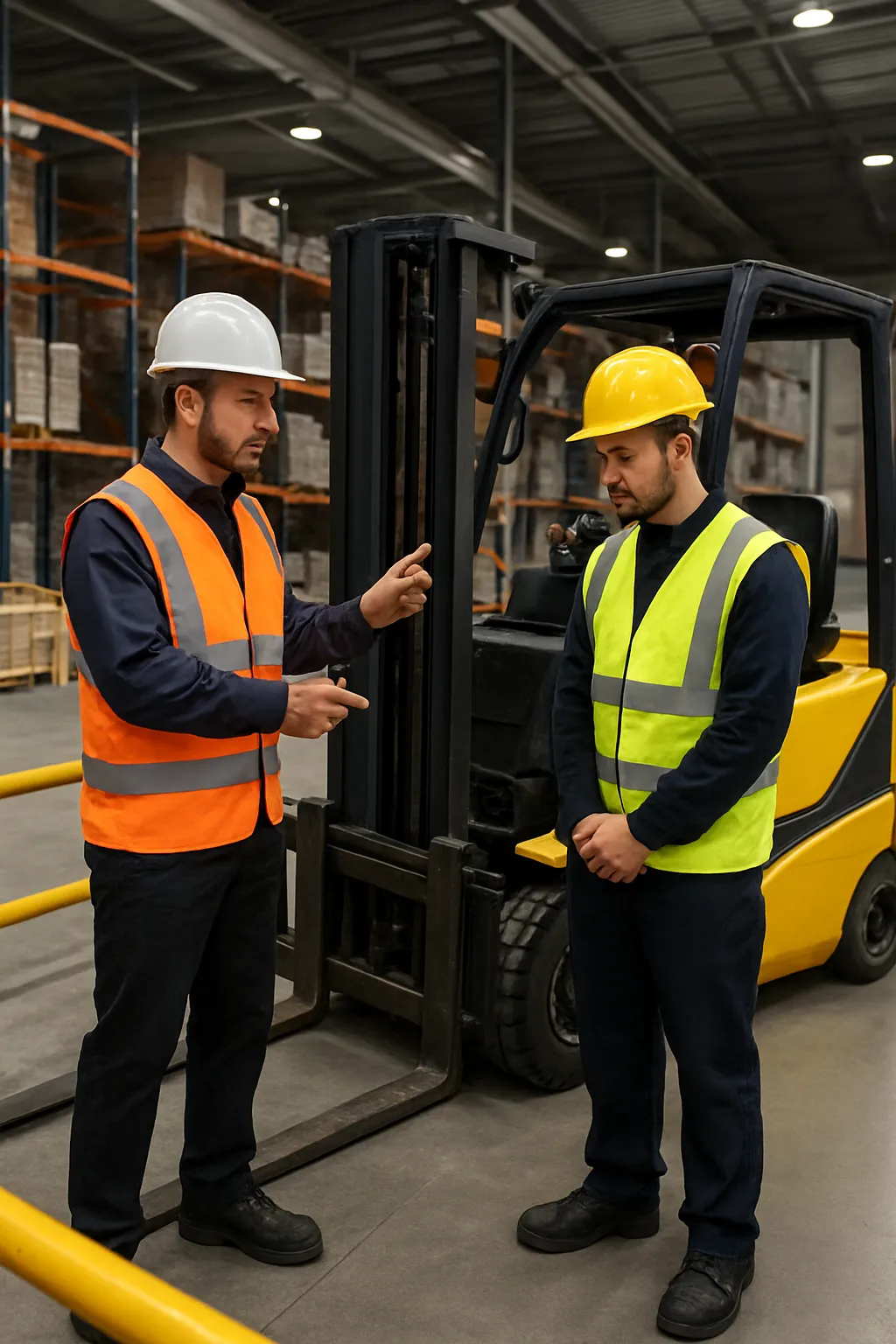
Allowing an untrained employee to operate industrial equipment creates significant financial and legal risks.
If an accident occurs and an investigation determines that proper training was not provided, the consequences may include:
- Denied insurance claims
- Increased liability exposure
- Regulatory fines
- Civil lawsuits
- Higher insurance premiums during renewal
Insurance companies expect businesses to demonstrate that reasonable precautions were taken before a loss occurred. Missing training records or inadequate safety documentation can make it difficult to prove compliance.
By investing in ongoing operator education, employers reduce both operational risks and potential legal complications.
Building a Strong Safety Culture
Training should be part of a broader workplace safety strategy rather than a one-time event.
Effective safety programs include:
- Regular refresher training
- Equipment inspection schedules
- Incident reporting procedures
- Supervisor oversight
- Continuous safety meetings
- Employee participation in hazard identification
A strong safety culture encourages workers to follow procedures consistently, report potential hazards, and help prevent accidents before they happen.
These efforts not only improve workplace safety but also demonstrate responsible risk management to insurance providers.


Review Your Insurance Coverage Regularly
As your business grows, your insurance needs may change. Reviewing your policy annually helps ensure your coverage aligns with your current operations, workforce, and equipment.
For guidance on commercial insurance options and policy costs, visit the Insurance Pricing page. Regular policy reviews, combined with strong safety practices, help businesses maintain appropriate protection while reducing long-term risk.
Final Thoughts
Meeting workplace safety requirements is vital for protecting employees, meeting provincial regulations, and maintaining valid insurance coverage. Businesses that provide proper operator training, comply with safety standards such as those established by WorkSafeBC, and keep accurate safety records are better prepared to reduce workplace risks, avoid denied claims, and minimize legal liability.
A proactive approach to safety benefits both commercial and personal risk management. Just as businesses rely on strong safety practices to support their insurance coverage, homeowners should review their Home Insurance in Canada regularly to ensure they have the right level of protection for their property and belongings. Prioritizing safety and risk prevention helps create a more secure workplace while supporting long-term financial stability and peace of mind.